Plunge
Plunge All-In
8.5/ 10
Best for All-in-one cold and contrast therapy with minimal upkeep
- Minimum temperature
- 37 °F
- Chiller
- 1.0 HP
- Capacity
- 1 person
$8,640$9,990
ResearchThe two questions every new plunger asks. Here's how common practice breaks down by experience level — and why consistency beats extremes.
By Well Objects Research · Updated 2026-08-19 · 3 min read

"How cold?" and "how long?" are the first two questions everyone asks about cold plunging — and the honest answer is that both depend on experience, and both matter less than showing up consistently. This guide lays out the ranges people actually use, what home equipment can hold, and how to progress without turning a good habit into an endurance contest.
This is an overview of common practice, not medical advice. Cold-water immersion is a real physiological stressor — if you have a heart condition, blood pressure issues, are pregnant, or have any health concern, talk to a doctor before starting.
| Experience | Typical range | What it feels like |
|---|---|---|
| Brand new | 55–65°F | A real shock at first, quickly manageable |
| Beginner | 50–59°F | Cold enough to demand controlled breathing |
| Regular | 45–50°F | The everyday sweet spot for many daily plungers |
| Experienced | 39–45°F | Serious cold; sessions naturally shorten |
| Advanced | 32–39°F | Ice-water territory; brief, deliberate exposures |
Two things worth noticing. First, the ranges overlap — there is no line you must cross to "count." Second, colder is not better: the response you're after kicks in well above the extremes, and dropping the temperature mainly shortens how long you can stay in, not how effective the habit is.
Common practice scales with temperature and experience:
The reliable signal to get out is hard shivering or numb extremities — pushing through is not the point. A shorter, colder plunge and a longer, milder one are both legitimate sessions.

The temperature you plunge at is ultimately set by your equipment:
If you're choosing equipment around a target range, our cold plunge buying guide covers chiller power in depth, and cold plunge vs ice bath covers the consistency trade-off.
The best temperature is the one you'll come back to tomorrow. A 50°F plunge you do five times a week beats a 38°F plunge you dread and skip.
Two practical notes from common practice: many athletes separate hard strength training and cold immersion by several hours, since immediate post-lift cold may blunt some adaptation; and most people find cold exposure alerting, so mornings or midday tend to suit better than right before bed. If you're pairing cold with heat, our contrast therapy guide covers how to sequence sauna and plunge.
Most people starting out find 50–59°F plenty — cold enough to trigger the gasp-and-adapt response while staying manageable. There's no prize for going colder on day one; consistency matters far more than the number on the thermometer.
Common practice is 1–2 minutes for beginners, building toward 3–5 minutes with experience. Many regular plungers cap sessions around 5–10 minutes total per day. Listening to your body beats any fixed target — and shivering hard is a signal to get out.
For someone new to cold exposure, 60°F is a genuine stimulus and a fine place to start — it feels much colder than it sounds. Experienced plungers usually work in the 39–50°F range, which is where most home chillers operate.
Most integrated home tubs hold water in the 37–45°F range; the strongest residential chillers reach around 32–33°F. Ice-cooled barrels vary with how much ice you add and drift upward as it melts.
We may earn a commission when you purchase through links on our site. This does not influence our scoring methodology or recommendations.
Plunge
Best for All-in-one cold and contrast therapy with minimal upkeep
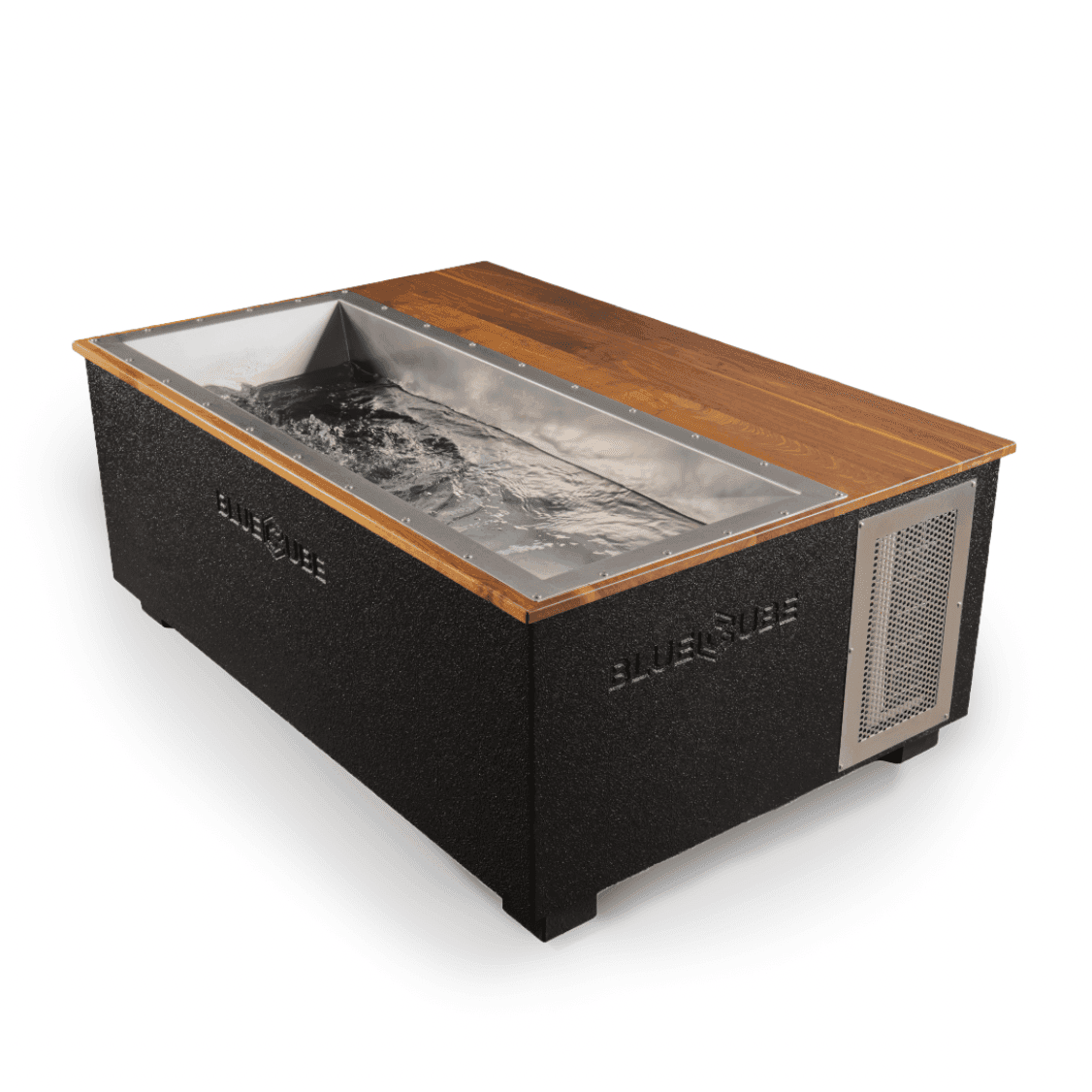
BlueCube
Best for Athletes and facilities needing very cold, fast-recovering water
Ice Barrel
Best for Testing the habit, small spaces and occasional use
Browse every cold plunges we've researched, or jump straight to our top picks.
Occasional research notes, new comparisons and buying guides. No spam, unsubscribe anytime.